-
Plasmatreat Switzerland
-
Plasmatreat Switzerland Overview
- Plasmatreat Switzerland
- Local Contact
-
-
What is Plasma
-
What is Plasma Overview
- What is Plasma
- Plasma Surface Treatment
- Types of Plasma
- Capability of Openair-Plasma®
- Surface Determination
- FAQ
-
-
Industry Solutions
-
Industry Solutions Overview
- Industry Solutions
-
Processes
-
Processes Overview
- Processes
- Bonding
- Printing
- Painting
- 2-Component Injection Molding
-
- Automotive
-
Electronics
-
Electronics Overview
- Electronics
- Cell Phone
- PCB Manufacturing
-
PCB Assembly
-
PCB Assembly Overview
- Conformal Coating
-
- LED
- Displays
- Flexible electronic components
- Semiconductor Packaging
- Power Modules
-
-
Life Sciences
-
Life Sciences Overview
- Life Sciences
-
Medical Technology
-
Medical Technology Overview
- Medical Technology
- Syringe Manufacturing
-
- Chemistry and Biochemistry
- Plasma Medicine
- Medical Disinfection
-
-
New Energies
-
New Energies Overview
- New Energies
- Solar Technology
- Wind Power
- Energy Efficiency
-
-
Consumer Goods
-
Consumer Goods Overview
- Consumer Goods
- Furniture
- Appliances
- Toys for Children
- Sporting goods
- Eyewear
-
-
Packaging
-
Packaging Overview
- Packaging
- Plastic Packaging
- Board and Paper
- Glass and Metal Packages
-
- Textiles
-
Transportation
-
Transportation Overview
- Transportation
- Aerospace
- Shipbuilding
- Trucks and Trailers and Mobile Homes
- Two Wheelers and Motorcycles
-
-
-
Technology
-
Technology Overview
- Technology
- Surface Activation
- Plasma Cleaning
- Plasma Reduction
-
Plasma Coating
-
Plasma Coating Overview
- Plasma Coating
- AntiCorr®
- PT-Print
- PT-Bond
- Functional Coating
- Plasma-SealTight®
-
- InMould-Plasma®
-
Plasma Adhesion
-
Plasma Adhesion Overview
- Plasma Adhesion
- Adhesion to Metal
-
-
-
Products and Services
-
Products and Services Overview
- Products and Services
-
AURORA-Plasma
-
AURORA-Plasma Overview
- AURORA-Plasma
- AURORA 250-450-1000
-
- Process Control
-
Products
-
Products Overview
- Products
- Openair-Plasma® Process Monitoring
-
Openair-Plasma® Systems
-
Openair-Plasma® Systems Overview
- Openair-Plasma® Systems
- Inline Oxide Reduction
- Film and Foil Manufacturing
- Coil Coating
- Panel Treatment
- Profile Extrusion
- Robot Systems
-
- Openair-Plasma® Generators
-
Openair-Plasma® Jets
-
Openair-Plasma® Jets Overview
- Openair-Plasma® Jets
- Static Jets PFW10 and PFW20
- Static Jet PFW70 and PFW100
- Rotary Jet RD1004
- Rotary Jet RD2004
- Rotary Jet RD2005
- Rotary Jet RD1010
-
-
Low Pressure Plasma Systems
-
Low Pressure Plasma Systems Overview
- Low Pressure Plasma Systems
- Aurora Standard
- Aurora Plus
- Aurora LC
-
-
-
Test and Validation
-
Test and Validation Overview
- Test and Validation
- Test Inks
- AntiCorr® Test Fluids
- Contact Angle Measurement - MSA
-
-
Service & Support
-
Service & Support Overview
- Service & Support
- Worldwide After-Sales Service
- Support
- Book a Demo
- Rent a system
- Contract Service
-
-
-
Plasmatreat Academy
-
Plasmatreat Academy Overview
- Plasmatreat Academy
- Team
- Mission and Vision
- Facilities and Equipment
- Online PlasmaTalks
- Seminars, Training Courses and Events
-
-
Sustainability and Innovation
-
Sustainability and Innovation Overview
- Sustainability and Innovation
- Innovations and Awards
- Research and Development
- Partners
-
-
Worldwide Network
-
Worldwide Network Overview
- Our Worldmap
- Asia Pacific
- Austria
-
Benelux
-
Benelux Overview
- Benelux
- Local Capabilities
- Local Contact
-
- China
- France
-
Germany
-
Germany Overview
- Germany
- Sales Team Germany
-
- Iberia
- Italy
- Japan
- Korea
-
México
-
México Overview
- Mexico
- Local Capabilities
- Local Contact
-
- Nordic
-
North America
-
North America Overview
- North America
- Sales Team North America
- Our Offices
- Future-focused Research & Development
- Plasma as a Service
-
- Switzerland
- Türkiye
- United Kingdom
-
-
Explore Plasmatreat
-
Explore Plasmatreat Overview
- Explore Plasmatreat
- Family Business
- Milestones
- Our Mission
-
Sustainability and Innovation
-
Sustainability and Innovation Overview
- Sustainability and Innovation
- Innovations and Awards
- Research and Development
- Partners
-
-
-
News and Stories
-
News and Stories Overview
- News and Stories
- News and Press
- Our Success Stories
- Trade Shows and Events
-

Offcanvas Navigation

AURORA-Plasma: Low-Pressure Plasma for Complex Components
Some components are difficult to treat selectively from the outside. Undercuts, pores, difficult-to-access areas or multiple parts within one cycle may require a controlled process environment that supports uniform, full-surface treatment. AURORA-Plasma is Plasmatreat’s low-pressure plasma technology. Components are treated in a vacuum chamber using a defined process gas. Depending on the application, the process can clean, activate, etch or reduce oxide layers in preparation for bonding, coating, printing, potting, overmolding, soldering or contacting.
AURORA-Plasma complements Openair-Plasma®, Plasmatreat’s atmospheric-pressure plasma technology. The two technologies address different process requirements and application objectives. Plasmatreat supports both solution pathways, from feasibility testing and process development to validation and production integration.
When low-pressure plasma is the right tool
The choice between low-pressure and atmospheric-pressure plasma is not a question of which technology is better. It follows the component, the required surface result and the production environment.
| Decision criterion | AURORA-Plasma | Openair-Plasma® |
|---|---|---|
| Treatment | Typically full-surface treatment within a controlled process chamber | Local, selective or surface-wide treatment under atmospheric pressure |
| Geometry | Complex three-dimensional components, undercuts, pores and difficult-to-access areas | Defined treatment areas that can be reached by the selected plasma jet and motion concept |
| Process environment | Controlled vacuum environment with selectable process gases | Treatment under atmospheric pressure, with compressed air as the main process gas for many applications |
| Production concept | Chamber-based processing, from individual cycles to automated production concepts and continuous roll-to-roll processing | Continuous, indexed, automated, modular or stand-alone operation |
| Component handling | Individual parts, several components within one cycle, bulk material or continuous materials | Components or defined surface areas positioned relative to one or more plasma jets |
| Typical strength | Controlled treatment of complete components and complex geometries | Flexible positioning of local, selective or surface-wide treatment within production |
Openair-Plasma® and AURORA-Plasma can form complementary solution pathways within the same production environment. Which technology fits a component depends on the treatment objective, geometry, process sequence and integration requirements. If the appropriate pathway is not clear, testing with representative sample parts provides a reliable basis for the decision.
AURORA-Plasma is governed as a low-pressure technology operating under controlled vacuum conditions, while Openair-Plasma® supports local, selective, full-surface, continuous, indexed, modular and stand-alone concepts.

How low-pressure plasma works
Components are loaded into a vacuum chamber and processed under controlled low pressure. A process gas is introduced in a defined way, typically oxygen, nitrogen, argon, or hydrogen-based mixtures. Because ambient air is largely excluded, process chemistry can be precisely matched to the material and the desired surface result.
Electrical excitation turns the gas into plasma: a partially ionized mix of electrons, ions, radicals, and excited molecules that interacts with the component surface. AURORA systems use a 2.45 GHz microwave source as the primary plasma generator. Depending on the system and application, 13.56 MHz and 40 kHz excitation can be added, used alone or in combination, chosen by material, geometry, and target result.
This controlled environment treats the entire component at once, including undercuts, pores, and hard-to-reach areas. How uniform the result is depends on geometry, loading, and process recipe, and should be validated per application.
Cleaning, activation, etching, oxide reduction and coating
AURORA-Plasma can support different surface objectives. The appropriate process depends on the initial surface condition, material, component geometry and required follow-up process.
Find the AURORA system for your application
AURORA-Plasma defines the underlying low-pressure plasma technology. The individual AURORA systems provide different ways to implement it according to component dimensions, handling, automation and production requirements. The plasma configuration and process recipe are selected around the application.
AURORA Semi, AURORA Science and AURORA R2R are system solutions or integration concepts within AURORA product platform. System selection should follow application, geometry, throughput, automation, validation and integration requirements.

AURORA 250 / 450 / 1000
Configurable low-pressure plasma systems for small and medium-sized components
AURORA 250, 450 and 1000 combine a controlled process chamber with configurable gas supply, workpiece handling and plasma excitation. Rotary table and rotary drum options support the treatment of individual components, several parts within one cycle or bulk material. The systems can operate manually or automatically and can be integrated into production through different door and handling concepts.

AURORA Large Chamber
Low-pressure plasma treatment for large components and substrates
AURORA Large Chamber extends the available process space for applications involving large components, substrates or several larger parts within one cycle. Chamber format, door arrangement, loading and component handling are configured according to the application and production layout.

AURORA Semi
Low-pressure plasma processing for semiconductor manufacturing requirements
AURORA Semi provides a system and integration concept for wafer and semiconductor production environments. Component handling, plasma configuration, automation and production interfaces are defined around the relevant process step. Application-specific process development determines the required surface effect and recipe.

AURORA Science
Compact low-pressure plasma processing for research and process development
AURORA Science provides a compact system concept for material screening, feasibility work, recipe development and small sample series. It creates an accessible entry point for establishing and evaluating low-pressure plasma processes before transfer to a production-oriented system concept.

AURORA R2R
Continuous low-pressure plasma treatment for roll-to-roll materials
AURORA R2R brings controlled low-pressure plasma processing to continuous materials. The system concept supports the treatment of rolled materials such as films, textiles, membranes and other webs within a controlled process environment. Roll handling, treatment width, process configuration and production interfaces are defined according to the material and required surface objective.
When standard configurations do not fit
Some applications require a different chamber format, component-handling concept or production interface. In these cases, Plasmatreat evaluates the process and integration requirements and determines whether an application-specific AURORA-Plasma configuration is appropriate.
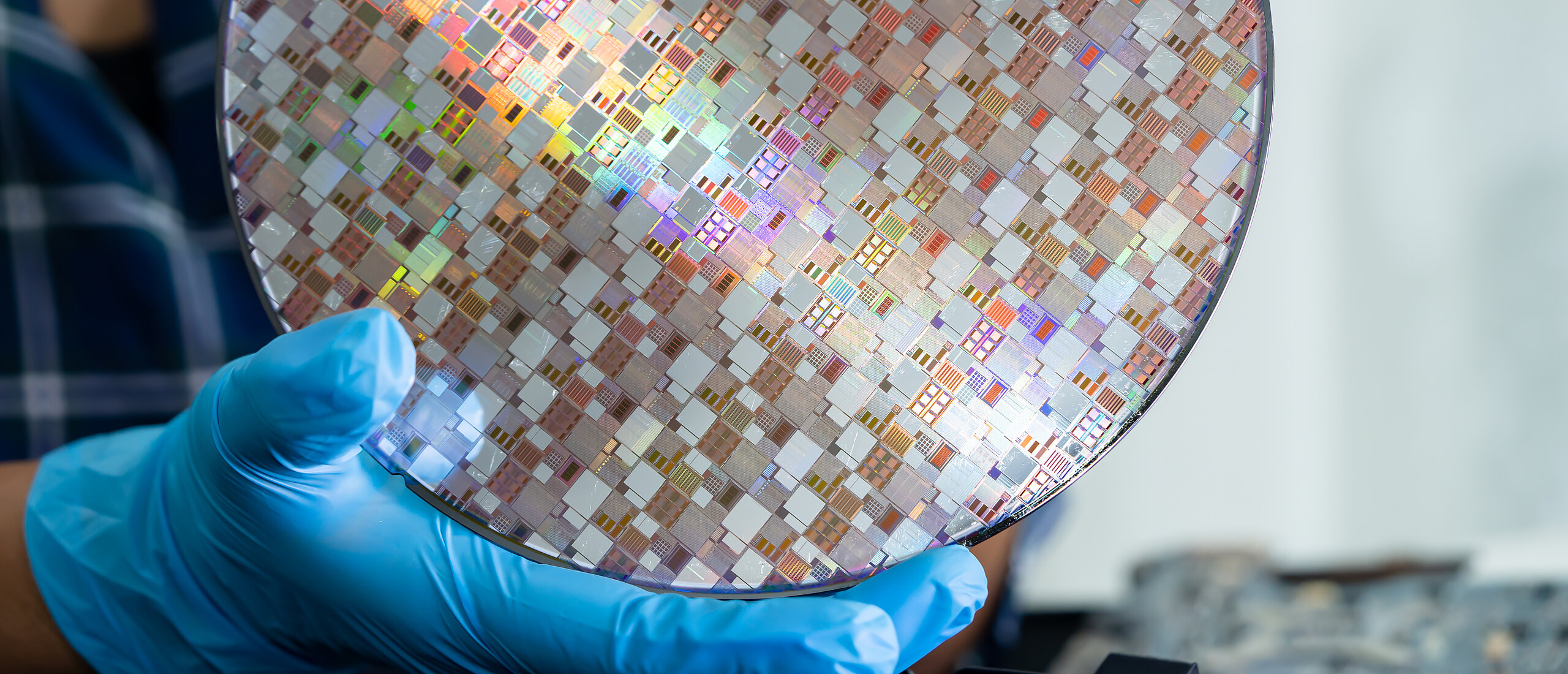
Electronics and semiconductor
Cleaning and activation can prepare lead frames, substrates, housings, wafers and process-related components for subsequent bonding, contacting, coating or packaging steps. AURORA Semi provides a dedicated system and integration concept for semiconductor production requirements.
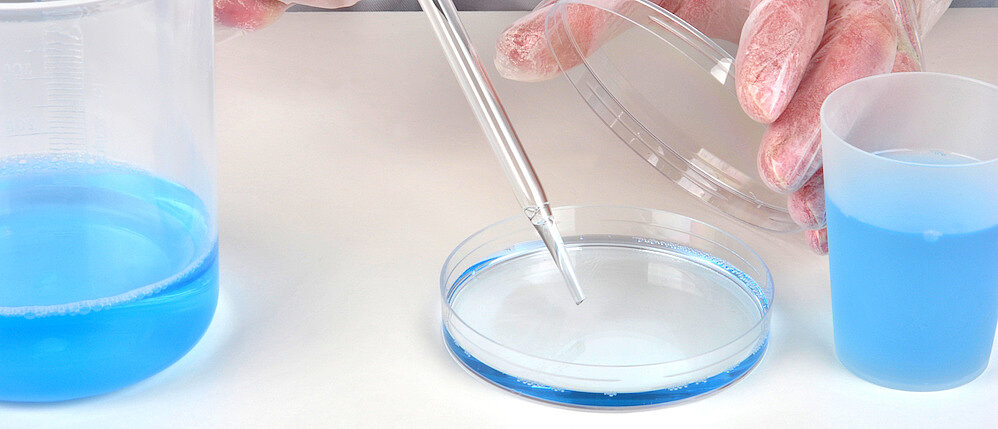
Medical device components
Low-pressure plasma can support controlled surface preparation of polymeric and porous components for subsequent bonding, coating, printing or potting processes. Potential applications include filtration media, microfluidic components, catheters, syringe components and packaging. Suitability and the required surface effect must be validated for the specific device, material and subsequent process.
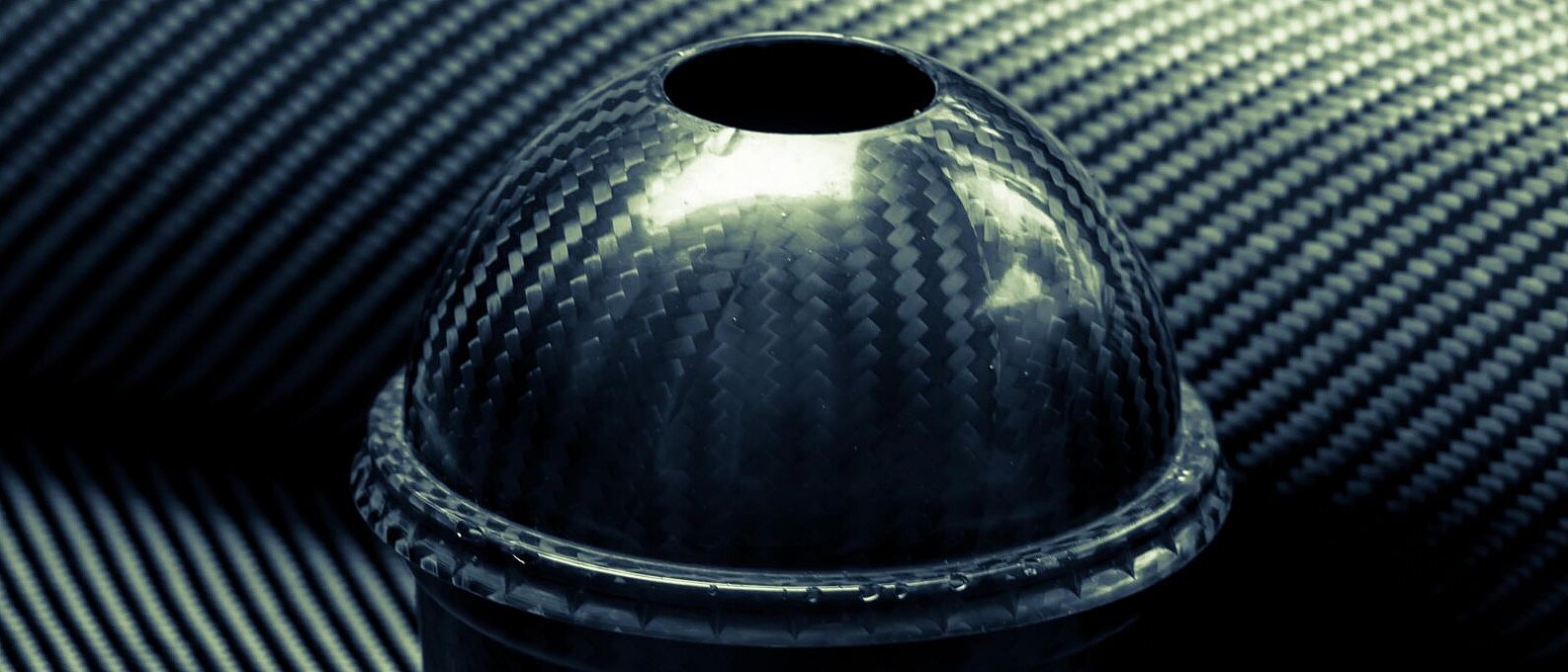
Textiles, membranes and nonwovens
Plasma treatment can modify wetting behaviour and prepare fibre surfaces for subsequent coating, dyeing or finishing processes. For continuous materials, AURORA R2R provides a dedicated roll-to-roll system concept.

Aerospace and automotive
Applications include surface preparation of plastics, composites and fibre-reinforced materials before structural bonding, painting or coating. The treatment concept is selected according to component size, geometry, material and production requirements.
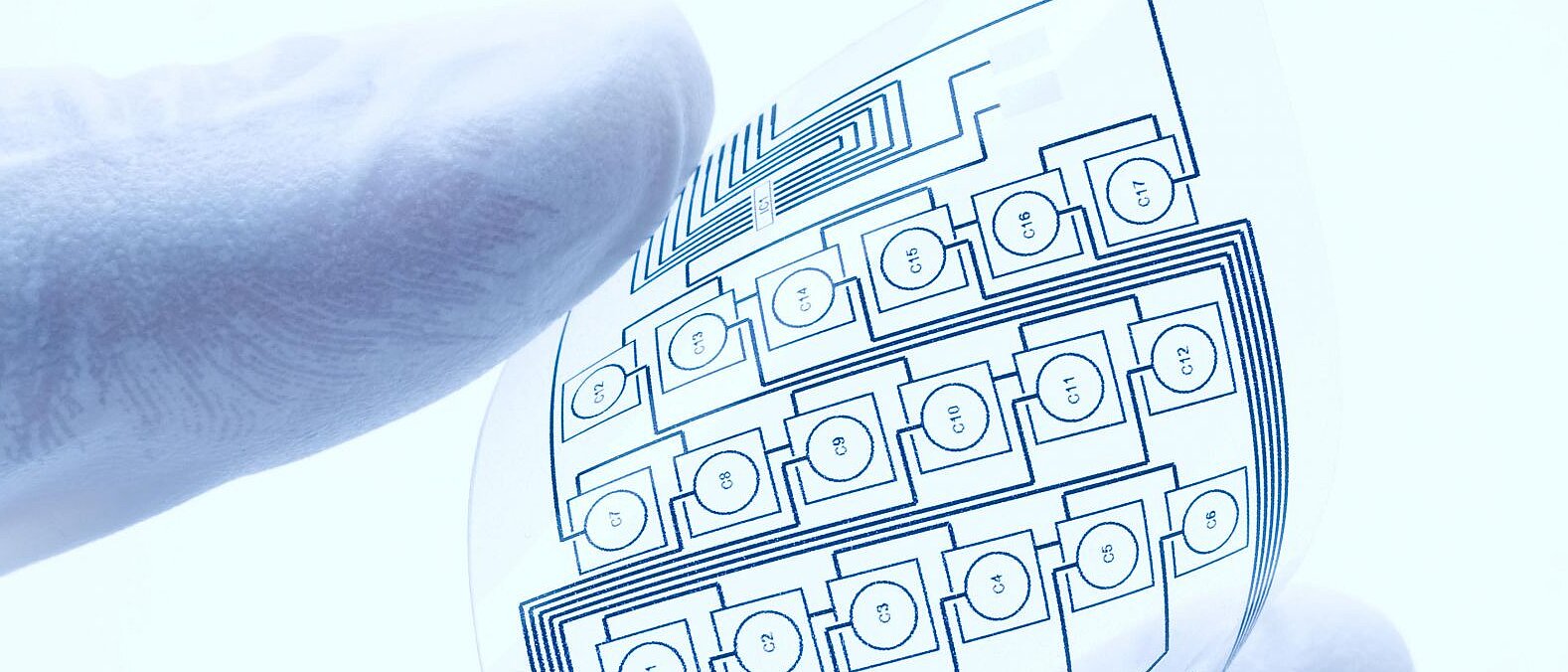
Research and process development
AURORA-Plasma supports material screening, feasibility testing, recipe development and process validation. Process knowledge developed during testing can form the basis for transfer to a production-oriented AURORA system.
Chamber-based processing, designed for production
Many low-pressure plasma systems process components in defined cycles. The chamber is loaded, evacuated, treated and vented. AURORA systems are designed so that this process step can be integrated into automated production rather than operating separately from it. In-line doors at the front or side, automatic operation, automatic door opening and automated loading by conveyor or robot can turn the chamber into a process station within a production line. Door configuration, component handling, production interfaces and recipe management are selected according to the required material flow and level of automation. For continuous materials, AURORA R2R provides a dedicated roll-to-roll concept within the AURORA-Plasma portfolio.
Plasmatreat develops the process and integration concept around the application, component handling and production requirements.
From feasibility to production
A surface process must be measurable, repeatable and suitable for the intended production environment. Plasmatreat therefore develops AURORA-Plasma processes around defined target criteria rather than starting with a predefined system configuration. Various entry points allow you to evaluate and validate the process before making a final system decision, including feasibility studies using representative sample parts, plasma treatment services and system rental for validation directly in a production environment. Throughout the entire process, Plasmatreat supports its customers as a partner in technology, process development, validation and integration.

Define the target criterion
What must the surface achieve after treatment? The objective may involve wettability, adhesion, cleanliness, oxide condition or a defined process window.

Check samples and process conditions
Material, component geometry, contamination, loading, cycle time, integration and quality requirements are evaluated together.

Develop and validate the recipe
The relevant plasma configuration and process parameters are selected. The surface result is measured, checked against the target criterion and stabilised within a defined process window.

Transfer the process to production
The validated process is implemented on the selected system concept. Production integration, documentation, recipe management and handover are adapted to the application.
FAQ
What is the difference between low-pressure and atmospheric-pressure plasma?
Low-pressure plasma is generated in a controlled vacuum environment using selected process gases. It is often considered when complete components, complex geometries, difficult-to-access areas or several parts within one cycle need to be treated.
Atmospheric-pressure plasma operates without a vacuum chamber. Openair-Plasma® can treat surfaces locally, selectively or over wider areas and can be integrated into continuous, indexed, automated, modular or stand-alone production concepts.
The appropriate technology depends on the component, surface objective, follow-up process and production environment.
Which materials can be treated?
AURORA-Plasma can be used to treat polymers, composites, metals, ceramics, glass, textiles and porous materials.
The achievable surface effect depends on the specific material, component geometry, initial surface condition, process gas and required follow-up process. Suitability and process parameters are therefore verified using representative sample parts.
Is low-pressure plasma suitable for temperature-sensitive components?
AURORA-Plasma supports process configurations with low thermal load and may therefore be suitable for sensitive components.
The actual component temperature depends on the material, excitation, treatment time, chamber loading and process recipe. The thermal effect should be validated for the specific application.
How long does low-pressure plasma treatment take?
Treatment time depends on the system, chamber load, material, contamination and target criterion.
The complete cycle also includes loading, evacuation and venting. Application-specific testing determines the treatment and overall cycle time required for a stable process.
Can low-pressure plasma be integrated into an automated production line?
Yes. AURORA system concepts can support automatic operation, in-line door configurations, automatic door opening and automated loading by conveyor or robot.
The required handling and interface concept depends on the selected system, component and production layout.
Can AURORA systems apply functional coatings?
Yes, when equipped for the required coating process. PlasmaPlus® is Plasmatreat’s technology for adding specifically defined surface functions through plasma-based coating processes.
Depending on the application, an AURORA-Plasma system can provide the low-pressure process environment required for the coating.
How is the appropriate AURORA system selected?
Selection starts with the component and surface objective. Material, geometry, required process, loading concept, throughput, automation and integration requirements determine which system concept should be evaluated.
Testing with representative samples helps define and validate the process before the final system configuration is selected.
Define the right low-pressure plasma process for your application
The appropriate solution depends on your component, material, surface objective and production requirements. Plasmatreat helps you assess feasibility, develop the process, validate its performance and integrate it into production.